In June of 1967 I was just finishing my sophomore year of high school and was already something of a news junkie. I remember well watching with eager fascination the news reports coming from the Middle East during what would come to be known as the Six-Day War between Israel and a consortium of Arab states. I’d read the latest stories from the front each morning in the San Diego Union and then watched each evening as Walter Cronkite moved model tanks and aircraft across a 3-D map of the region.
The war was over in six days, and we knew the good guys had won.
As we come to the sixth day of the war against Iran, we have no such sure knowledge. Some wonder who the good guys might be in this conflict, and in our wired world there is no Walter Cronkite whose reporting we believe to be implicitly true. For many of us, the conflict and our view of it have become a litmus test of other partisan sensibilities – or insensibilities.
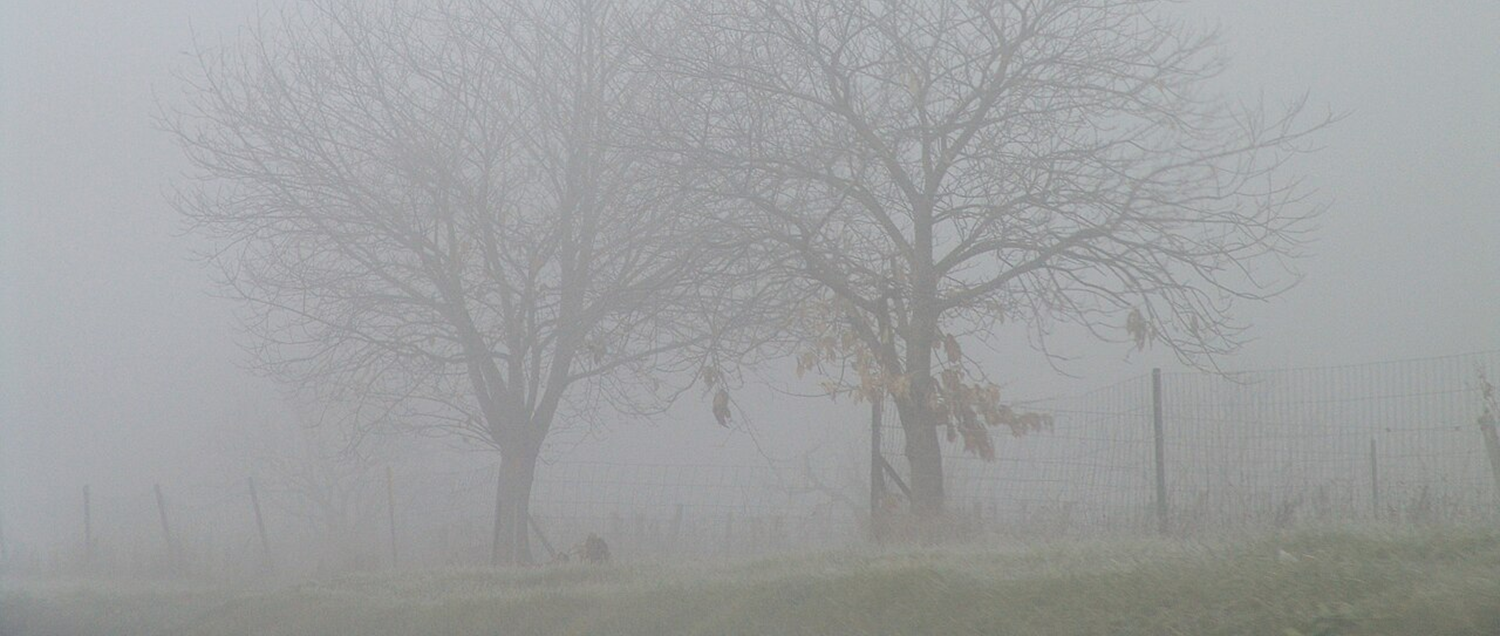
An accurate assessment, let alone understanding, of what is happening is shrouded in the fog of war, to use an often-repeated phrase. The New York Times tells us “fog of war” has “come to be used by military experts to describe the often imperfect information that officers and troops must process in the thick of battle.”
The fog is thick today.
By the way, if the skies are clear of all fog where you live and think, please feel free to email or private message me with your accurate and completely reliable opinion of what is happening in the Middle East right now.
The fog is thick where I live and think, and events are unfolding rapidly.
But I have been contemplating the fog of war and the difficulty of coming to a clear understanding of what is happening around us in our everyday lives. As the events of our lives unfold, we long for a trustworthy explanation of what it all means. We rip words of Scripture from their context to assure ourselves that confusing and hurtful things have good meaning and purpose. When lacerated by cutting disappointment, we quote Isaiah 29:11: “I know the plans I have for you,” declares the Lord to the people of the Babylonian Exile, “…plans for a hope and future.” Surely this applies to our not getting the promotion at work or failing to make the team at school.
Surviving a bad accident or serious illness becomes a sure sign that “God is not finished with me yet.” We numb the sting of death by the hideous thought that “God must need another angel.”
But like weeping that tarries for the night until joy comes with the morning (Psalm 30:5), the fog of war – the fog of confusion – will not lift until the day dawns and the morning star rises (2 Peter 1:19). Now we see as in a mirror dimly, then face to face. (1 Corinthians 13:12)
I asked one of our Afghan friends what he makes of the war with Iran. He was cautious and offered nothing definitive about the political and military situation. But then he added, “I always hate war… Because we have experienced the bitter taste of war…”
Yes, so much truth is shrouded by the fog of war. But this we know: war is never sweet.