
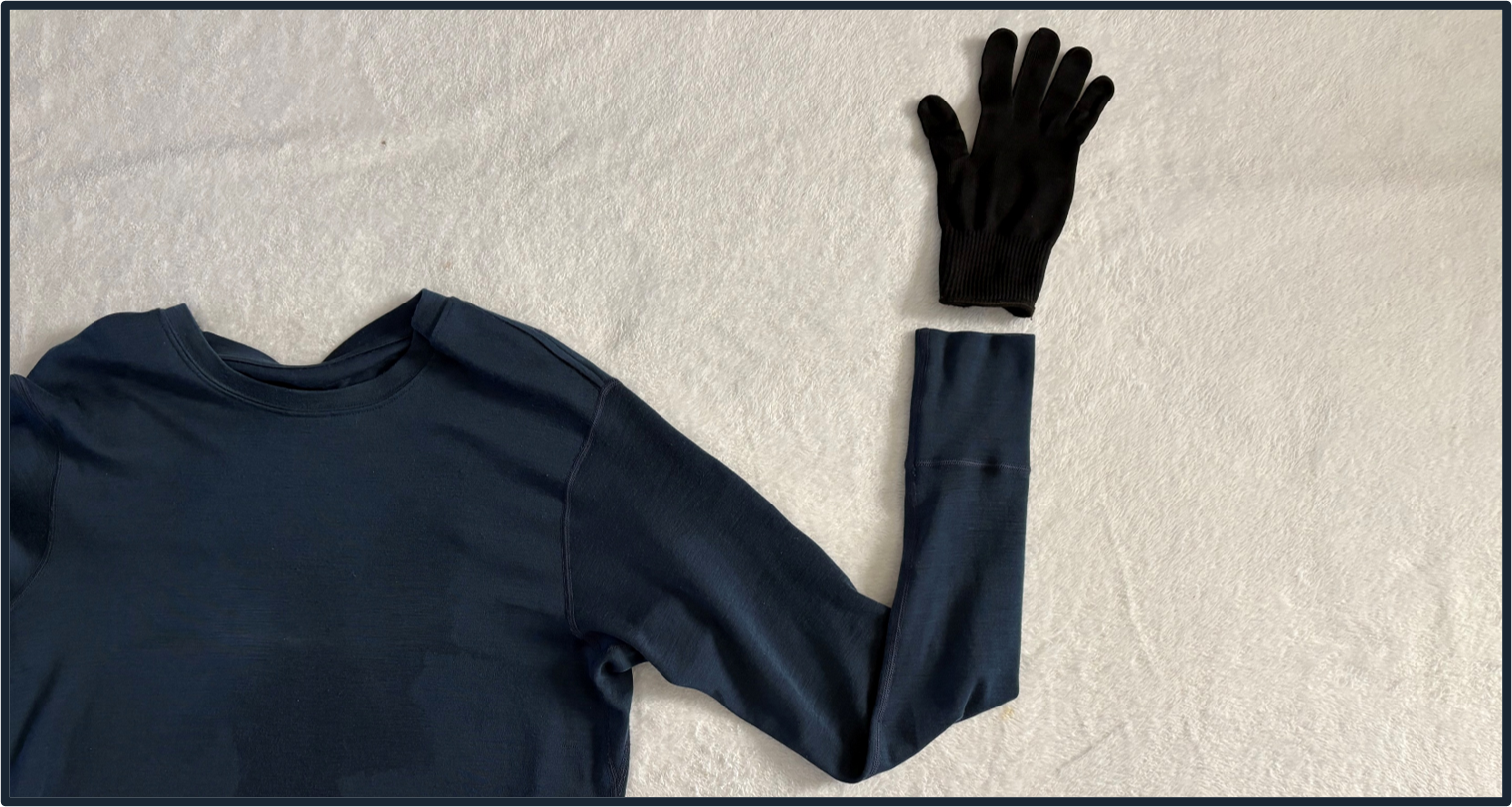
The first frost warning of the season came last week, and, sure enough, as we headed for church on Sunday, the front lawn was covered by a coat of icy crystals. With colder mornings headed our way, I’ve pulled out my long sleeve running shirt and my leggings along with a pair of warm gloves for my pre-dawn jogs. I will add another layer of clothing for the cold mornings of January, but this will do for now.
In fact, my winter weather gear is more for my comfort than for protection from anything too dangerous. My gloves keep my fingers from getting numb, but there is certainly no threat of something so severe as frost bite. When the morning temperatures drop to the mid-teens or below, I simply stay inside and sip coffee by a warm fire.
While I may not be an arctic explorer, I do appreciate the way a merino wool shirt and those cheap Amazon leggings keep my arms and legs warm on a frost-warning morning run. Numb fingers are no fun, and the gloves do their job.
The Apostle Paul uses more robust images when he encourages the Ephesians to put on the full armor of God – helmet, breastplate, belt, shield, sword, and shoes. Such sturdy gear, says Paul, will help us withstand the evil one with his flaming darts.
To be sure, Satan’s malicious ways are still at work in our weary world, but maybe sometimes more like bitter cold biting through thin fabric or overwhelming cheap leggings than as flaming darts zipping towards our hearts.
The warm refuge of faith, hope, and love has been left in ruins by modernity and its false gods; we are without defense as partisanship, anger, animosity, and self-concern attack our souls with their steel-cold blades.
The shelter against the cold winds of efficiency and profit once offered by home and church no longer stands in a world of confused identity and assertive individualism. Like January’s cold north wind, injustice and sorrow drive hard at our lives.
This week’s frost warning will turn to a winter storm watch soon enough. Maybe in this El Nino year my last layer of warm shirts, running pants, and another pair of gloves will be enough to keep me comfortable on my morning runs.
For certain, the faith, hope, and love of the Gospel is sure protection against the numbing reality of our cold and heartless world.